Bank of Canada Holds Rate at 2.25% — March 18, 2026

Ose Ainabe • 18 March 2026

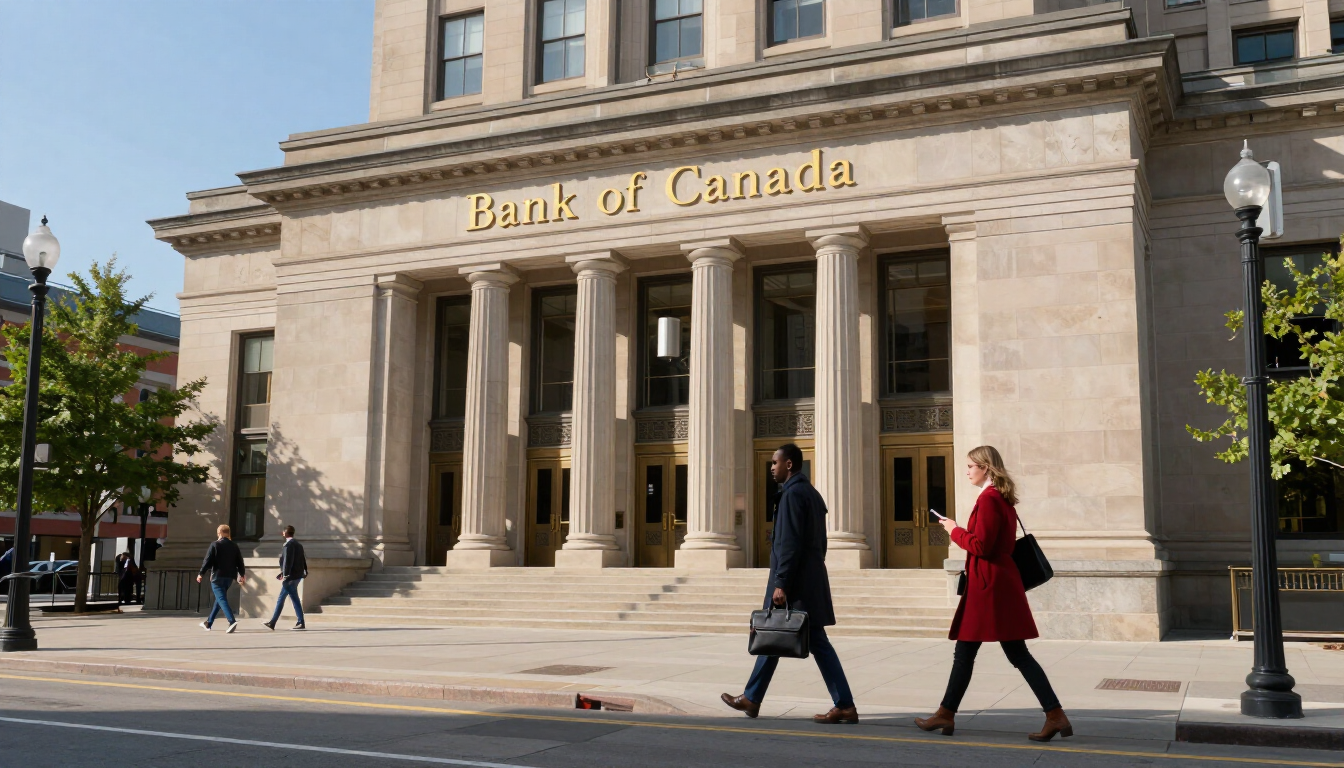
The Bank of Canada announced today that it is holding its target for the overnight rate at 2.25%, with the Bank Rate at 2.5% and the deposit rate at 2.20%. For anyone watching the mortgage market — whether you're renewing, purchasing, or simply keeping an eye on borrowing costs — here's a breakdown of what was announced and what it may mean for you.

What the Bank of Canada Said

The Global Picture

The Bank noted that global economic growth was tracking at approximately 3% heading into 2026, but conditions have become more uncertain following the outbreak of conflict in the Middle East. Global oil and natural gas prices have risen sharply as a result, which is expected to push inflation higher in the near term. Transportation bottlenecks — including disruptions tied to the Strait of Hormuz — are also raising concerns about the supply of key commodities.

Financial markets have responded: global bond yields have risen, equity prices have declined, and credit spreads have widened. The Canada-U.S. dollar exchange rate has remained relatively stable through all of this.

The Canadian Economy

Canada's GDP contracted 0.6% in the fourth quarter of 2025, somewhat weaker than the Bank had anticipated — though much of this was driven by a larger-than-expected drawdown in inventories, rather than a collapse in consumer spending. In fact, domestic demand grew by more than 2%, supported by consumer and government spending.

Looking ahead, the Bank expects modest economic growth as Canada continues adjusting to U.S. tariffs and ongoing trade policy uncertainty. However, the labour market has softened. Employment gains made in the fourth quarter of 2025 were largely reversed in the first two months of 2026, and the unemployment rate climbed to 6.7% in February.

Inflation

On the inflation front, CPI inflation eased to 1.8% in February, down from 2.3% in January — below the Bank's 2% target. Core inflation measures have also come down and are sitting close to 2%. That said, the recent surge in global energy prices is expected to push gasoline prices — and therefore total inflation — higher in the coming months.

Why the Bank Held

With growth risks tilted to the downside and inflation risks moving upward due to energy prices, the Bank of Canada's Governing Council chose to hold steady at 2.25% rather than move in either direction. The Bank cited the need to assess the evolving impact of U.S. tariffs, trade uncertainty, and the Middle East conflict before making any further adjustments.

In the Bank's own words, they "stand ready to respond as needed" — signalling that future moves remain on the table depending on how conditions develop.

What This Means for Mortgage Holders and Buyers

A rate hold means no immediate change to variable-rate mortgage payments or home equity lines of credit (HELOCs) tied to the prime rate. However, the language from the Bank signals a cautious, wait-and-see approach in a climate that carries real uncertainty — both on the growth and inflation sides.

The next scheduled rate announcement is April 29, 2026 , at which point a new Monetary Policy Report will also be released with updated economic projections.

As always, every borrower's situation is unique. If you have questions about how today's announcement affects your mortgage — or want to explore your options — don't hesitate to reach out. Staying informed is one of the best tools you have in any rate environment.

Information sourced from the Bank of Canada's official press release dated March 18, 2026.

Ose Ainabe

Mortgage & Real Estate Agent

GET STARTED
by Ose Ainabe 17 March 2026
For many Canadians, the dream of homeownership has felt like a moving target. After years of market volatility, shifting interest rates, and economic uncertainty, you might be wondering: is 2026 finally the year to make a move?
by Ose Ainabe 17 March 2026
Going Through a Separation? Here’s What You Need to Know About Your Mortgage Separation or divorce can be one of life’s most stressful transitions—and when real estate is involved, the financial side of things can get complicated fast. If you and your partner own a home together, figuring out what happens next with your mortgage is a critical step in moving forward. Here’s what you need to know: You’re Still Responsible for Mortgage Payments Even if your relationship changes, your obligation to your mortgage lender doesn’t. If your name is on the mortgage, you’re fully responsible for making sure payments continue. Missed payments can lead to penalties, damage your credit, or even put your home at risk of foreclosure. If you relied on your partner to handle payments during the relationship, now is the time to take a proactive role. Contact your lender directly to confirm everything is on track. Breaking or Changing Your Mortgage Comes With Costs Dividing your finances might mean refinancing, removing someone from the title, or selling the home. All of these options come with potential legal fees, appraisal costs, and mortgage penalties—especially if you’re mid-term with a fixed-rate mortgage. Before making any decisions, speak with your lender to get a clear picture of the potential costs. This info can be helpful when finalizing your separation agreement. Legal Status Affects Financing If you're applying for a new mortgage after a separation, lenders will want to see official documentation—like a signed separation agreement or divorce decree. These documents help the lender assess any ongoing financial obligations like child or spousal support, which may impact your ability to qualify. No paperwork yet? Expect delays and added scrutiny in the mortgage process until everything is finalized. Qualifying on One Income Can Be Tougher Many couples qualify for mortgages based on combined income. After a separation, your borrowing power may decrease if you're now applying solo. This can affect your ability to buy a new home or stay in the one you currently own. A mortgage professional can help you reassess your financial picture and identify options that make sense for your situation—whether that means buying on your own, co-signing with a family member, or exploring government programs. Buying Out Your Partner? You May Have Extra Flexibility In cases where one person wants to stay in the home, lenders may offer special flexibility. Unlike traditional refinancing, which typically caps borrowing at 80% of the home’s value, a “spousal buyout” may allow you to access up to 95%—making it easier to compensate your former partner and retain the home. This option is especially useful for families looking to minimize disruption for children or maintain community ties. You Don’t Have to Figure It Out Alone Separation is never simple—but with the right support, you can move forward with clarity and confidence. Whether you’re keeping the home, selling, or starting fresh, working with a mortgage professional can help you understand your options and create a strategy that aligns with your new goals. Let’s talk through your situation and explore the best path forward. I’m here to help.